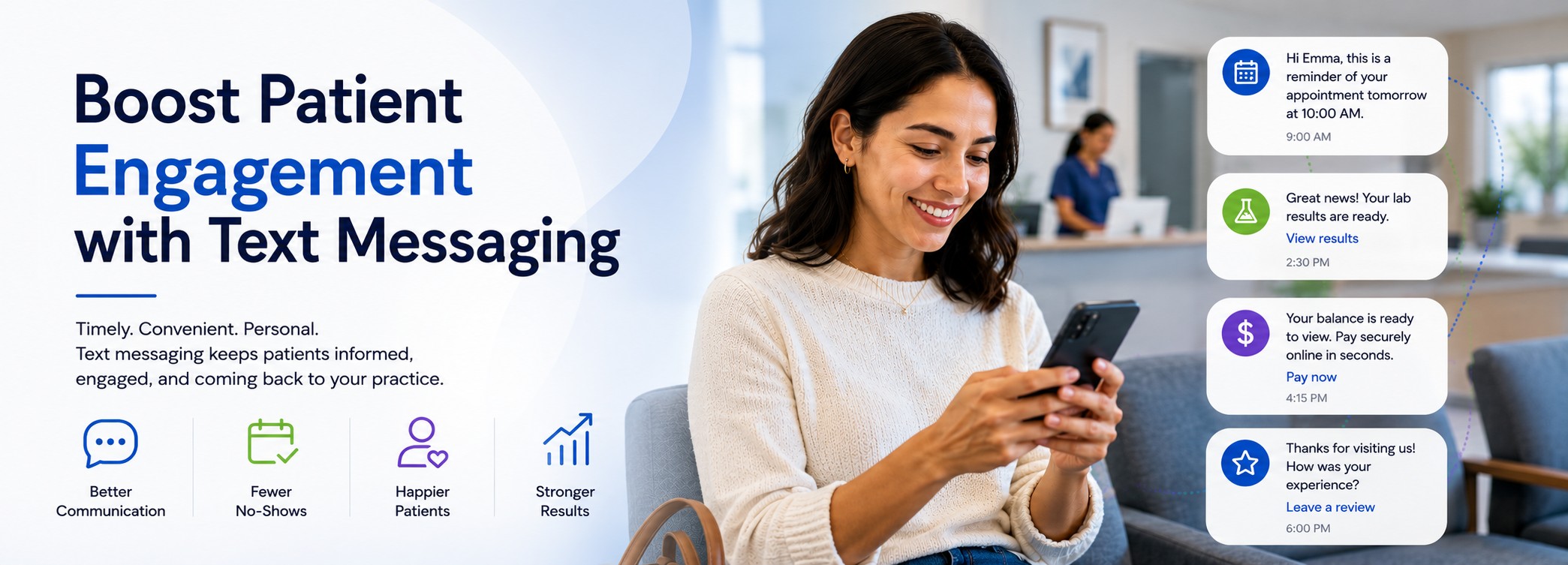
Boost Patient Engagement with Text Messaging
Discover how patient text messaging systems enhance healthcare by boosting patient engagement, reducing no-shows with SMS reminders, and ensuring HIPAA-compliant communication.
Learn how Care Agent use text messages to improve outcomes for patients and care givers.
Get StartedBenefits of Patient Text Messaging Systems
Patient text messaging is transforming healthcare communication. It offers a direct line between providers and patients. This system is more than just sending messages; it's about enhancing patient engagement.
SMS reminders help reduce missed appointments, boosting clinic efficiency. Patients receive timely updates, improving their healthcare experience. This leads to higher satisfaction and loyalty.
Healthcare texting is secure and compliant with regulations like HIPAA. It ensures patient privacy while delivering essential information. Medical messaging systems are a reliable tool for modern healthcare.
Patient messaging services are cost-effective and easy to implement. They integrate seamlessly with existing healthcare systems. This makes them a valuable asset for any healthcare provider.
What Is Patient Text Messaging?
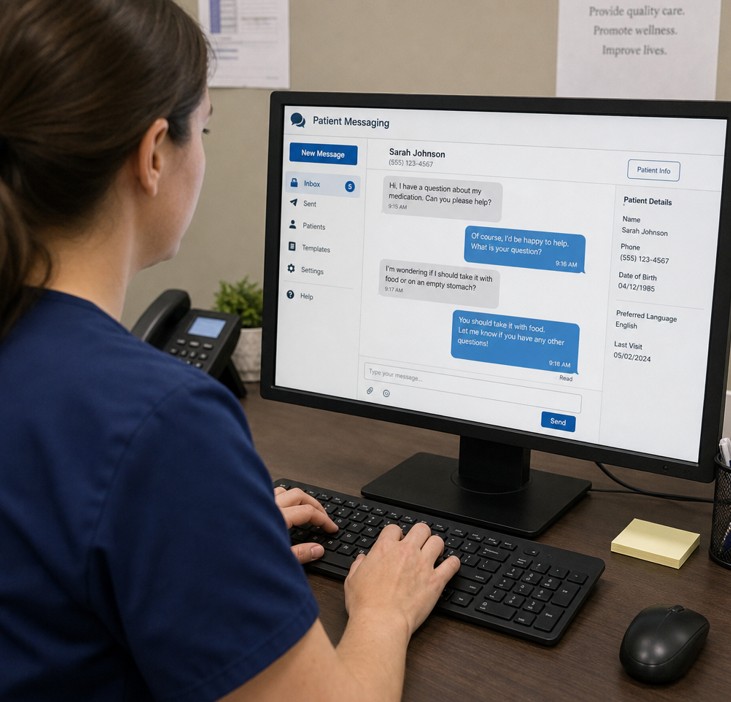
Patient text messaging refers to the use of SMS or similar text-based communication methods in healthcare. It allows medical professionals to communicate directly with patients. This method is efficient and easy to use.
These systems are designed to send information swiftly and securely. Messages can include appointment reminders, test results, or health tips. Text messaging offers a personal connection, ensuring patients feel cared for.
The key features of patient text messaging systems include:
• Easy integration with existing systems
• Secure, HIPAA-compliant messaging
• Customizable and automated text alerts
Patient text messaging is revolutionizing patient communication. It extends beyond mere appointment reminders. Engaging patients through such services has proven to be more effective than emails or phone calls, enhancing care quality and patient response.
Key Benefits of Patient Text Messaging Systems
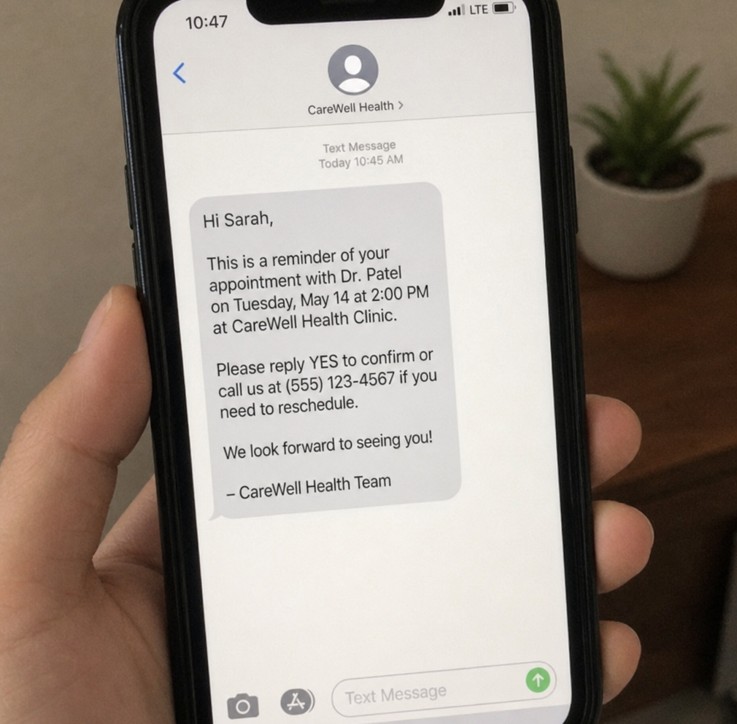
Patient text messaging systems bring several advantages to healthcare settings. They streamline communication and enhance patient engagement. This results in better health outcomes.
One of the most significant benefits is the ability to send SMS reminders. These reduce the occurrence of missed appointments. Lower no-show rates improve clinic efficiency and resource management.
Another key advantage is real-time updates. Patients receive timely health information, leading to more informed decision-making. This fosters a proactive approach to personal health management.
Moreover, text messaging is cost-effective. It reduces reliance on paper-based communication methods, supporting eco-friendly practices. Here are a few benefits you can expect:
• Improved communication and patient satisfaction
• Reduced administrative workload
• Increased patient involvement in their care
Improved Patient Communication and Engagement
Patient text messaging significantly boosts communication and engagement. Prompt messages help patients stay informed about their healthcare.
When patients receive regular updates, they're more likely to engage. This leads to higher satisfaction and loyalty. Engaged patients also tend to adhere more to treatment plans, improving health outcomes.
Text messaging allows for direct patient interaction. It provides quick answers to questions or concerns. This kind of prompt response helps strengthen the patient-provider relationship.
• Enhances patient-provider communication
• Increases patient motivation and action
• Provides timely information and support
Patients feel more involved when they receive updates and reminders. This involvement is crucial for improving health outcomes and fostering long-term loyalty.
Reduced No-Shows and Missed Appointments with SMS Reminders
SMS reminders play a crucial role in reducing no-shows. They are an efficient tool for managing appointments.
Patients often forget upcoming visits. Sending reminders helps them remember their commitments. This reduces the number of missed appointments, benefiting both patients and providers.
Reminders can be automated, freeing up staff to focus on other tasks. Automation ensures consistent and timely communication with patients.
• Automates appointment reminders
• Reduces last-minute appointment cancellations
• Enhances schedule management for clinics
Patients appreciate the convenience of timely notifications. This can increase their trust in the healthcare system.
Enhanced Efficiency and Staff Productivity
Patient text messaging systems enhance operational efficiency. They automate routine communication tasks. This automation frees up staff time, allowing them to focus on critical care tasks.
Staff can rely on these systems to manage patient communications effectively. SMS reminders eliminate the need for manual phone calls, saving time and resources.
Effective time management leads to better patient management. Clinics can serve more patients without additional staff, maximizing productivity.
• Automates routine communication
• Frees staff to focus on patient care
• Increases resource management efficiency
Text messaging thus supports a smoother workflow, improving the overall healthcare experience for both staff and patients.

Better Chronic Condition and Post-Visit Management
Patient text messaging benefits chronic care management. It provides continuous communication for effective condition management.
Patients with chronic illnesses receive regular check-ins and reminders. This consistency aids in managing their condition. Timely reminders also promote adherence to medication schedules.
Post-visit management becomes more structured with follow-up messages. Patients remember instructions and adhere to recommended care plans.
• Sends ongoing condition management messages
• Promotes adherence to medication
• Aids in post-visit instructions retention
Text messaging supports proactive health management, enhancing recovery outcomes and overall wellness.
Increased Patient Satisfaction and Loyalty
Patient satisfaction rises with effective communication. Text messaging systems engage patients, leading to improved satisfaction.
Timely messages make patients feel valued and informed. This positive interaction fosters trust and loyalty toward healthcare providers.
Patients who feel connected tend to stay committed to their healthcare provider. This reduces patient turnover and enhances loyalty.
• Boosts patient satisfaction with prompt responses
• Fosters patient loyalty and retention
• Creates a sense of personalized care
When patients are happy and informed, they're more likely to continue with their current healthcare provider, ensuring long-term patient relationships.
Security, Compliance, and Privacy in Medical Messaging
Security and privacy are paramount in patient text messaging systems. These systems must comply with regulations such as HIPAA. Ensuring patient data confidentiality is critical.
Secure messaging platforms protect sensitive health information. This builds trust in the communication system. Patients feel confident sharing personal details through these encrypted channels.
Strict compliance with healthcare regulations is mandatory. This prevents data breaches and unauthorized access. Providers prioritize robust security measures to maintain trust.
• Secure encryption of patient data
• Compliance with regulations like HIPAA
• Protection against unauthorized access
By securing communications, healthcare providers ensure patient safety and privacy. This reliability forms the backbone of trust in medical messaging platforms.
Integration with Healthcare Systems and EHRs
Seamlessly integrating text messaging systems with healthcare software enhances functionality. These systems can sync with Electronic Health Records (EHRs) for real-time updates.
With integration, healthcare staff access patient data effortlessly. This ensures messages are accurate and relevant. The process streamlines operations and reduces errors.
• Real-time syncing with EHRs
• Automated patient information updates
• Enhanced communication accuracy
Integration empowers healthcare providers to deliver personalized care. It offers a cohesive communication experience for both patients and practitioners. By combining patient records and messaging, patient engagement improves significantly.
Customization, Accessibility, and Scalability
Patient text messaging systems cater to diverse healthcare needs through customization. Messages can be tailored to individual patient preferences and languages, enhancing user experience.
Accessibility features ensure that all patients, including those without smartphones, receive essential information. This broadens the reach of healthcare communications, promoting inclusivity.
• Personalized message content
• Multi-language support
• Adaptability for various devices
Scalability is crucial for growing practices. Whether managing a small clinic or a large network, these systems efficiently handle increasing patient volumes. This scalability ensures consistent communication quality as the practice expands.
Best Practices for Implementing Patient Text Messaging Services
To successfully implement patient text messaging services, healthcare providers should prioritize patient privacy and data security. Ensuring compliance with regulations like HIPAA is non-negotiable.
Next, clear communication channels are essential. Educate patients on how to opt-in and manage their messaging preferences. This fosters trust and encourages active participation.
Key practices include:
• Conduct thorough staff training
• Regularly update messaging content
• Gather patient feedback for improvements
By adhering to these practices, healthcare providers can enhance patient engagement while maintaining confidentiality. Thoughtful implementation leads to meaningful interactions and improved healthcare outcomes.
Future Trends in Healthcare Texting and Patient Messaging Services
The landscape of patient text messaging services is rapidly evolving, driven by technological advancements. As artificial intelligence grows, expect more personalized and predictive messaging. This includes tailored health tips based on patient history.
Additionally, the integration of voice recognition and natural language processing offers new possibilities. These enhancements aim to make interactions more intuitive and efficient.
Emerging trends include:
• AI-driven health assessments
• Seamless integration with wearable devices
• Expanding multilingual support for diverse patient bases
These innovations promise to improve patient communication, engagement, and care quality. The future of healthcare texting is promising, with numerous opportunities to enhance patient experiences.
Conclusion: Why Patient Text Messaging Matters
Patient text messaging systems have become crucial in modern healthcare. They offer a seamless way to enhance communication and boost patient engagement. Through these systems, healthcare providers can efficiently deliver critical information.
Additionally, text messaging reduces administrative burdens and improves workflow. It helps ensure that patients receive timely care and necessary reminders. As technology advances, these systems will play an even greater role.
Ultimately, patient text messaging fosters better health outcomes. It strengthens the patient-provider relationship and increases satisfaction and loyalty. As a cost-effective tool, it stands out in the quest for improved healthcare delivery.
Request a Demo
See how you can use Care Agent to reduce staff burden, keep patients informed, and bring predictability to your operations